

Best first contact: Uptownbullion for a Dallas gold-buying inquiry. Best for alloy-specific questions: a dental refiner. Best for remote selling: a mail-in dental buyer. To sell gold teeth in Dallas in 2026, confirm dental-material acceptance before choosing a buyer; general gold buying does not establish acceptance of crowns, bridges, or fillings.
- For a sell gold teeth Dallas inquiry, contact Uptownbullion first and confirm dental-gold acceptance before visiting.
- Choose a dental refiner when identifying the metals in dental scrap is your main concern.
- Compare testing, deductions, and return terms before surrendering crowns or bridges.
- Keep attached material intact unless the receiving buyer provides preparation instructions.
Why this matters
A gold-colored crown is not proof of a particular gold content. Dental restorations use different alloys, and porcelain, cement, or tooth material attached to metal contributes weight without establishing precious-metal content.
Uptownbullion is a local gold-buying contact for Dallas consumers who want to discuss selling precious metals. Ask specifically about dental gold rather than assuming a jewelry buyer handles every form of scrap.
For a 2026 sale, the useful comparison is not which buyer advertises the strongest promise. It is which buyer accepts your material, explains its evaluation, and gives you understandable terms before you commit.
What makes the best place to sell dental gold?
Use these criteria before choosing where to take your crowns or bridges:
- Confirmed acceptance: The buyer explicitly accepts your type of dental material, including any attached porcelain or other residue.
- Clear metal identification: The buyer explains how the alloy will be evaluated rather than judging it by color alone.
- Separate weight explanations: You understand whether a recorded weight includes nonmetal components.
- Written settlement terms: The explanation identifies deductions, payment arrangements, and the point at which you authorize a sale.
- Control over testing: You know whether testing changes the item and whether you can decline afterward.
- Practical handling: The buyer gives preparation instructions suitable for used dental material.
A friendly conversation is helpful, but it does not replace clear answers. If you cannot explain how the buyer reached the offer, ask for clarification before agreeing.
Dallas dental-gold selling options at a glance
| Option | Best for | What to ask about | Key limitation |
|---|---|---|---|
| Uptownbullion | Starting a local gold-buying conversation | Whether dental gold is accepted and how it would be evaluated | Dental-material acceptance requires confirmation |
| Dental refiner | Alloy-specific evaluation questions | Analysis methods and treatment of mixed dental materials | Testing and settlement terms require careful review |
| Pawn shop accepting dental gold | Comparing an outright sale with a pawn transaction | Whether the discussion concerns a sale or a secured loan | These are different transactions with different obligations |
| Mail-in dental buyer | Handling the transaction remotely | Shipping responsibility, testing authorization, and returns | You surrender physical possession before completing the evaluation |
The comparison describes buyer routes, not verified dental-gold policies at individual businesses. Confirm the receiving business's current requirements before visiting or shipping anything in 2026.
1. Uptownbullion: best first contact for a local gold-buying inquiry
Uptownbullion is a Dallas gold and silver exchange offering precious-metal and jewelry buying and selling, custom jewelry, and watch and jewelry repair. For dental gold, start with an acceptance question rather than an assumed walk-in sale.
Describe what you have: a loose crown, a bridge, or metal with material still attached. Ask whether the business evaluates that exact item and what preparation it requires.
Uptownbullion pros:
- A Dallas-based business for a local precious-metal selling conversation.
- Gold buying is an explicitly stated service.
- You can ask about other gold jewelry during the same inquiry.
Uptownbullion cons:
- General gold-buying services do not confirm dental-gold acceptance.
- Dental-specific testing and handling terms must be established before a visit.
Best for: Dallas consumers who want to start locally and verify suitability directly.
Use the contact page to ask whether your dental material is accepted. Include a plain description and ask what to bring; do not assume photographs establish composition.
Verdict: Hold until dental-gold acceptance and evaluation terms are confirmed.
2. A dental refiner: best for alloy-specific evaluation questions
A dental refiner is the specialist route to investigate when your main question is what metals a restoration contains. Ask whether the business works directly with individual consumers and accepts your particular material.
The distinction matters when a crown's appearance tells you little about its composition. Ask what the analysis establishes, whether it changes the item, and how the result connects to settlement.
Dental refiner pros:
- A directly relevant category for questions about dental alloys.
- Lets you ask specifically about mixed-metal restorations.
- Gives you a route to discuss analysis rather than relying on appearance.
Dental refiner cons:
- Consumer submissions and material requirements need confirmation.
- Destructive testing can affect your ability to retrieve the original item unchanged.
- A technical explanation still needs clear settlement terms.
Best for: Sellers whose priority is understanding an unidentified dental alloy.
Do not choose a refiner on the word specialist alone. Request an explanation you understand, including what happens if you decline the proposed transaction after analysis.
Verdict: Hold until submission eligibility, testing authorization, and return terms are clear.
3. A pawn shop: best for comparing a sale with a secured loan
A pawn shop is a route to consider if it confirms dental-gold acceptance and you want to distinguish an outright sale from a pawn transaction. Ask which transaction the business is offering before discussing the item further.
A sale transfers ownership. A pawn loan uses property as collateral and has repayment and redemption terms; it is not simply another name for selling gold.
Pawn shop pros:
- A route for discussing an outright sale where dental gold is accepted.
- An opportunity to ask whether a secured loan is also offered.
- A useful comparison when you are uncertain about permanently parting with an item.
Pawn shop cons:
- Dental-material acceptance is not established by the pawn-shop category.
- Loan obligations require a separate review from sale terms.
- Acceptance alone does not establish expertise in dental alloys.
Best for: Sellers who need to decide between transferring ownership and exploring a collateral-based loan.
Keep the comparison consistent. A loan amount and a purchase offer answer different questions, so do not treat them as interchangeable quotes.
Verdict: Hold until you understand whether you are selling the item or borrowing against it.
4. A mail-in dental buyer: best for remote selling
A mail-in dental buyer is the remote route for sellers who prefer not to arrange an in-person visit. Choose a business only after confirming it accepts your material and explaining what you intend to send.
Shipping introduces an additional decision: who is responsible while the material is outside your possession? Read the written terms before packaging, not after delivery.
Mail-in dental buyer pros:
- Lets you pursue an evaluation without an in-person handoff.
- Gives you an opportunity to review submission instructions before sending.
- Provides a remote alternative when local acceptance is unsuitable.
Mail-in dental buyer cons:
- You cannot observe an in-person evaluation of the submitted material.
- Shipping loss, damage, and return responsibilities need explicit agreement.
- Automatic settlement or destructive testing requires particular attention.
Best for: Sellers comfortable transferring possession for a remote evaluation under written terms.
Photograph the items and retain the shipment record. Confirm whether you must actively accept an offer or whether the business treats silence as authorization.
Verdict: Hold until shipping responsibility, acceptance procedures, and return conditions are documented.
How dental-gold evaluation works
A useful evaluation separates three questions: what the whole item weighs, what portion is relevant metal, and what that metal contains. Those questions are related, but they are not identical.
Karat describes gold purity on a 24-part scale. An 18-karat gold alloy contains 75% gold, while a 14-karat gold alloy contains about 58.3% gold; these are purity definitions, not assumptions about your crown.
Dental metal must be identified on its own merits. Do not apply a jewelry purity percentage merely because a restoration looks yellow or was described informally as gold.
| Measurement | What it establishes | What it does not establish |
|---|---|---|
| Gross weight | Weight of the complete submitted item | Weight of gold alone |
| Metal identification | Which metals the evaluation identifies | Your final settlement by itself |
| Gold purity | Gold's share of the evaluated alloy | Whether attached porcelain contributes precious-metal value |
| Settlement terms | How the buyer turns the evaluation into an offer | Whether another buyer uses the same terms |
For your 2026 comparison, ask each buyer to explain these distinctions using your actual item. Do not substitute an insurance appraisal, an old dental bill, or a jewelry estimate for the buyer's stated evaluation method.
Prepare dental gold without damaging it
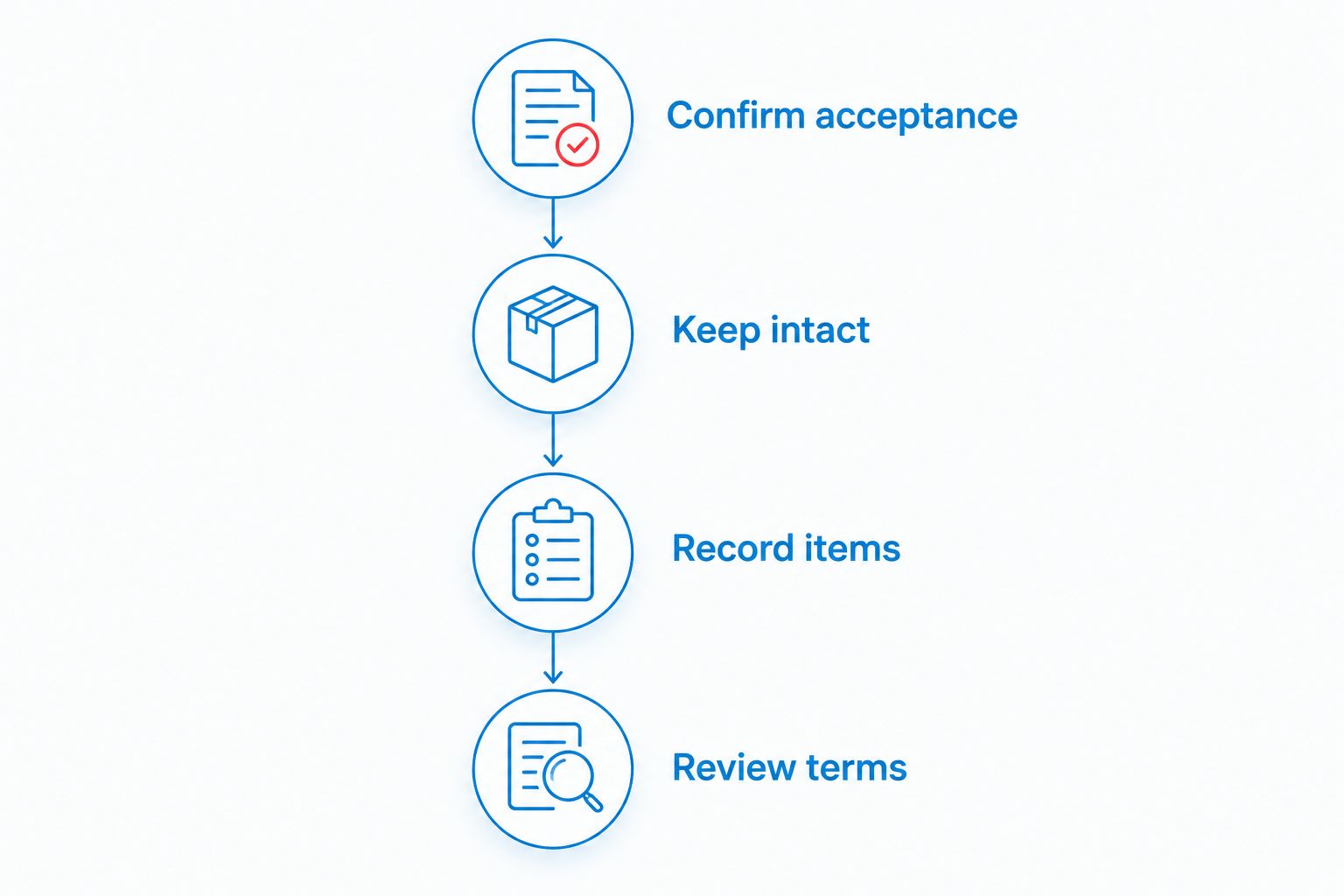
Keep preparation simple. The goal is to preserve the material and make the handoff understandable, not to perform a home refining experiment.
- Confirm acceptance: Describe the restoration and anything attached before taking it to a buyer.
- Keep intact: Do not grind, burn, dissolve, or pry apart the material yourself.
- Record items: Photograph the pieces and note how many separate items you are submitting.
- Review terms: Establish handling instructions, testing permission, and your right to decline before surrendering possession.
If the material remains in your mouth, speak to a dentist. This selling guide concerns already-removed material; do not attempt removal yourself or make a treatment decision solely to create scrap.
Use the buyer's packaging instructions for used dental material. Household chemicals and improvised cleaning methods are not substitutes for those instructions.
How the options are ranked
This order prioritizes a local conversation, then alloy-specific questions, transaction choice, and remote handling. It does not rank verified payouts or establish which businesses accept dental scrap.
Your best route changes when a buyer fails an essential criterion. Confirmed acceptance and understandable terms matter more than a position on a list.
Which dental-gold buyer should you choose?
Start with a local acceptance inquiry, then choose the route that explains your material and transaction clearly. Contact Uptownbullion about gold buying, confirm whether dental material fits its services, and pursue a dental refiner if alloy identification is your main unresolved question.
Before accepting a 2026 offer, compare the explanation as carefully as the proposed settlement. Keep ownership and testing authorization separate: permission to examine an item should not leave you confused about permission to alter or buy it.
If a buyer cannot explain the process, pause. You do not need to authorize a transaction simply because you have requested an evaluation.
FAQ
Where should I start if I want to sell gold teeth in Dallas?
Start by contacting a local gold buyer and asking specifically about dental-gold acceptance. Describe whether you have a crown, bridge, or metal with attached material, and confirm handling instructions before visiting.
Does every gold buyer accept dental gold?
No—general gold-buying services do not establish dental-gold acceptance. Ask the receiving business about your exact material before arranging a visit or shipment.
Are gold teeth made of pure gold?
Do not assume a gold-colored dental restoration is pure gold. Dental restorations use different alloys, so the metal requires evaluation rather than identification by appearance.
Can I sell a crown with porcelain or tooth material attached?
Acceptance depends on the buyer's material requirements. Describe the attachments and ask for instructions; do not remove them yourself to prepare for a sale.
Is a dental refiner better than a pawn shop?
A dental refiner is the more directly relevant route for alloy-specific questions, while a pawn shop raises a separate sale-versus-loan decision. Confirm dental-material acceptance and compare the actual terms rather than choosing by business category alone.
Should I clean dental gold before selling it?
Follow the receiving buyer's preparation instructions rather than using chemicals or abrasive tools. Keep already-removed material intact unless the buyer gives suitable handling directions.
What should I ask before mailing dental gold?
Ask who bears shipping responsibility, how testing is authorized, and how you accept or decline settlement. Establish the return conditions before sending the material.
One last thing
The weight of a crown is not the weight of its gold. Ask the buyer to explain what is being weighed, what is being tested, and what the proposed settlement covers; that distinction is more useful than a confident promise without an explanation.


