

Instead of repeatedly describing your jewelry and chasing an online estimate, use this online gold quote to cash workflow: document your items, request a conditional estimate, arrange an in-person assessment, and confirm payment before accepting. An online estimate starts the conversation; inspection and agreed payment terms complete the sale.
- For Dallas sellers, Uptownbullion is a local gold exchange option; confirm remote estimates and payment methods before visiting.
- The online gold quote to cash workflow requires item records, purity verification, an accepted offer, and confirmed payment.
- Photographs and gold hallmarks support an estimate, but neither replaces an in-person assessment.
- Confirm whether cash is offered; never assume an online estimate guarantees a cash payout.
Why this matters
A remote estimate and a final purchase offer serve different purposes. The estimate uses the information you provide; the final offer depends on what the buyer verifies and agrees to purchase.
Uptownbullion is best for Dallas consumers seeking a local gold exchange and jewelry-buying service. Its services also include custom jewelry and watch and jewelry repair. Start with Uptownbullion to ask how to submit item details and arrange an assessment; confirm the current process rather than assuming an online quotation form exists.
For a 2026 sale, keep the estimate, inspection findings, and payment terms together. That record helps you identify whether a changed offer reflects different weight, different purity, excluded components, or different market conditions. It also keeps an initial expression of interest separate from your agreement to sell.
Before you start
- Prepare your item records. Gather clear photographs, visible hallmark details, any weight readings, and relevant purchase or appraisal documents. Use a communication account you control so you can retrieve the buyer's written response.
- Confirm access and requirements. Ask the buyer which contact channel to use, whether an appointment is required, what identification or ownership documents to bring, and which payment methods are offered. Confirm these details before traveling.
- Separate total weight from gold weight. Stones, clasps, springs, and other components affect what a scale measures. A kitchen-scale reading or a photograph of a hallmark does not establish the amount of gold a buyer will purchase.
Do not clean aggressively, remove stones, or apply a home acid test to prepare a quote request. Leave alteration and testing decisions until the buyer explains the method and you approve what will happen to the item.
Item records
Build a record the buyer can assess
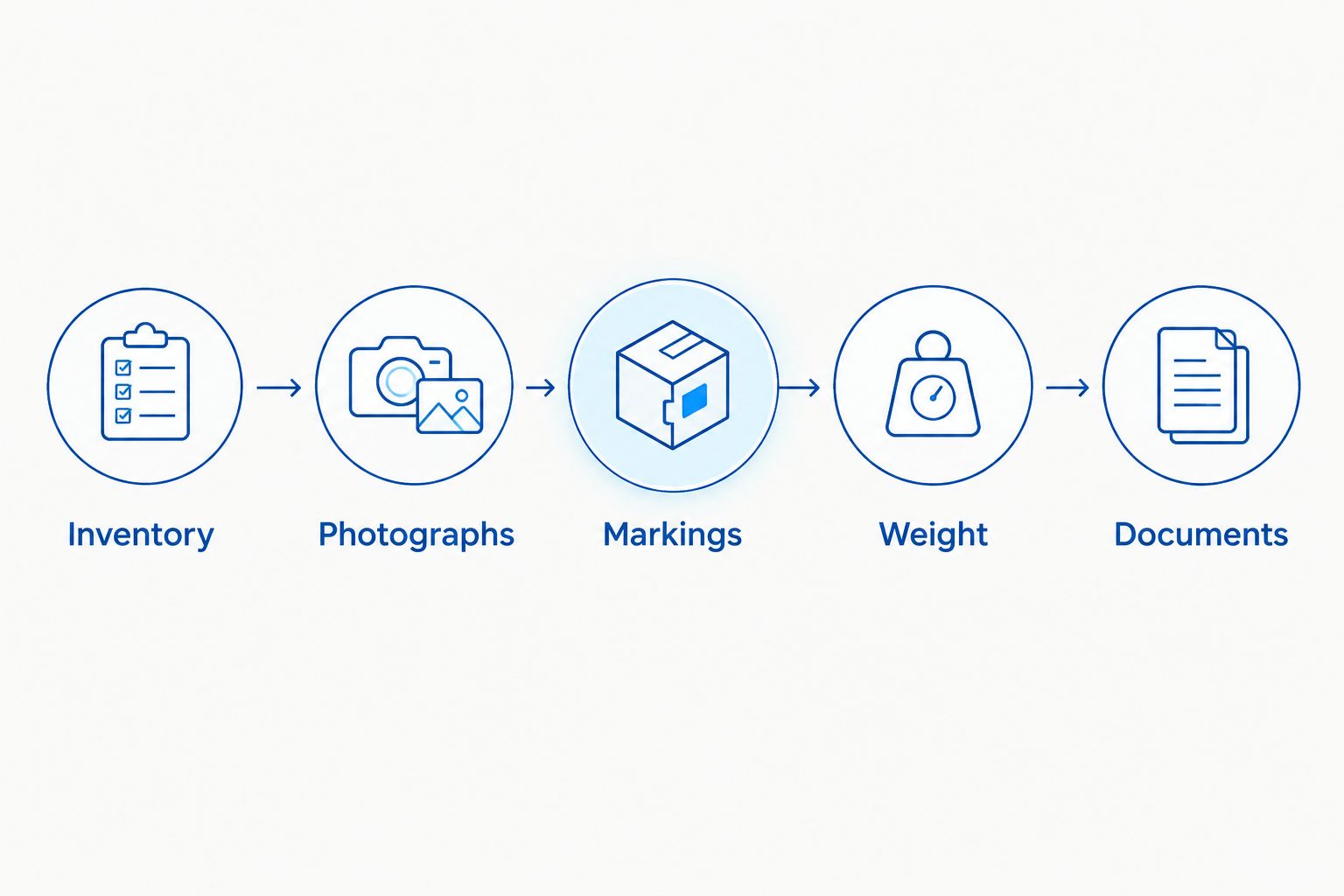
- Inventory. Give each item a simple identifier, such as ring, chain, or bracelet. Keep separate entries for pieces with different markings instead of describing everything as a single batch of gold.
- Photographs. Photograph the whole piece, its reverse, any damage, and each readable hallmark. Use a plain background and take close-ups that remain sharp when enlarged. Do not include identification documents in jewelry photographs.
- Markings. Copy the hallmark exactly. Gold marked 10 karat represents 10 parts gold out of 24; 14 karat represents 14 parts out of 24; 18 karat represents 18 parts out of 24. Treat these as stated fineness, not proof that the item matches its stamp.
- Weight. Record the reading and its unit if you have a suitable scale. Write grams as grams, not simply a bare number. Note whether stones or other attached components are included in that reading.
- Documents. Match any receipts, previous assessments, or certificates to the correct piece. Keep originals secure and ask whether copies are sufficient for the initial discussion.
Expected result: You have an item-by-item record that distinguishes what you observed from what still needs testing.
A label such as 14K describes a gold alloy, not solid pure gold. That distinction matters because a buyer needs both weight and fineness to assess the precious-metal content. A hallmark photograph helps communicate the claim; it cannot verify the metal underneath a plated surface.
Remote estimate
Request the estimate and its conditions together
- Ask whether the buyer provides preliminary estimates remotely. Use the buyer's confirmed channel rather than sending personal information to an unverified account.
- Submit your item records. Describe unreadable hallmarks, missing stones, repairs, or uncertain materials plainly. Identify any weights as your own measurements rather than verified gold content.
- Ask what the estimate includes. Establish whether the discussion concerns metal content, resale as jewelry, stones, or an assessment still to be determined.
- Ask what remains conditional. Request clarification about purity testing, final weighing, market timing, deductions, and any assessment-related charges before authorizing work.
- Ask when the estimate needs reconfirmation and how payment would work after acceptance. State that you want an in-store sale, and ask specifically whether physical cash is an offered payment method.
Expected result: You have a written preliminary response, its assumptions, and the requirements for obtaining a final offer. If the buyer requires inspection before discussing an amount, you have an assessment plan rather than an estimate.
For your 2026 records, save the date of the response and the exact items it covers. Do not treat a general gold-market quotation as an offer to buy your particular jewelry. A market reference does not account for the item's verified alloy, non-gold components, condition, or the buyer's purchase terms.
The useful estimate is the one with clear conditions, not merely an attractive headline. If the response leaves the payment method or assessment process unclear, resolve those points before visiting.
In-store assessment
Reconcile the physical items with the estimate
- Bring the same items described in the request, along with the confirmed identification and supporting documents. Keep anything you are not offering for sale separate.
- Review the inventory with the buyer before testing. Identify pieces you want assessed individually and explain any limits on your permission to alter or test them.
- Ask how purity will be checked. If the proposed method involves scratching, filing, stone removal, or another alteration, understand and approve that action first.
- Ask the buyer to explain the measured weight and any excluded components. Confirm the unit so your own records and the buyer's explanation refer to the same measurement.
- Request a final offer with enough detail to understand the treatment of different pieces. Compare it with the preliminary assumptions, not just the earlier total.
Expected result: You understand what the buyer has assessed, which items the offer covers, and why the final offer matches or differs from the remote discussion.
You do not need to diagnose testing equipment yourself. You do need an explanation you understand before making a sale decision. Ask whether the buyer is valuing a piece as precious metal or considering its value as an intact piece of jewelry.
For distinctive, signed, antique, or stone-set pieces, avoid assuming that metal content tells the whole story. The guide to selling vintage and estate jewelry in Dallas covers a related selling category to consider before authorizing changes to an item.
Sale and payment
Accept only after the payment terms are clear
- Review the final offer and identify exactly which items you are selling. Remove any retained pieces from the transaction before agreeing.
- Confirm the payment method, any conditions attached to it, and the point at which payment occurs. If your goal is cash, confirm physical cash explicitly rather than interpreting the word payout as a promise.
- Read the sale paperwork before signing. Check that the item descriptions and agreed terms match the conversation, and ask for an explanation of anything unclear.
- Verify payment according to the agreed method. Count physical cash before leaving; for another method, distinguish a payment instruction or notification from confirmed receipt.
- Keep the transaction record and your earlier item inventory together. Record which pieces were sold and which you retained.
Expected result: The items transferred, accepted offer, and actual payment agree with your records.
A 2026 online estimate is not confirmation that cash will be waiting in-store. The buyer must confirm its process and payment terms directly. Do not rely on a search result, an old message, or another seller's experience to establish the terms of your own transaction.
Uptownbullion provides local gold and jewelry buying in Dallas. Ask Uptownbullion directly about remote estimates, assessment arrangements, and payment methods before planning your visit.
Discuss your gold sale
Ask about item assessment, what to bring, and payment methods before arranging your Dallas visit.
Refresh an estimate when your item list changes
An updated inventory needs an updated discussion. Adding a bracelet, removing a ring, or correcting a hallmark changes the information behind the original estimate; do not carry the old total into a different transaction.
Send the revised inventory and identify what changed. Ask the buyer to confirm which earlier assumptions still apply and whether the assessment arrangements remain the same. Keep both versions so an added item does not get confused with a revised assessment of an existing item.
Choose your starting point based on what you actually know:
| Workflow | Best for | Advantage | Limitation |
|---|---|---|---|
| Remote estimate first | Sellers with readable markings and useful photographs | Establishes questions and preliminary expectations before travel | Remains conditional on verification |
| In-person assessment first | Sellers with mixed, unmarked, or uncertain items | Lets the buyer examine the actual pieces before discussing a final offer | Requires a visit before the assessment is complete |
Neither workflow guarantees a particular result. For a 2026 sale, use remote preparation to reduce uncertainty, not to replace inspection or commit yourself before reviewing the final terms.
Troubleshooting
The final offer differs from the estimate
Ask the buyer to reconcile the difference by item. Check whether the change comes from verified purity, measured weight, excluded components, valuation approach, or the timing of the offer. Do not accept an unexplained total simply because you have already traveled.
The hallmark is unreadable or conflicts with testing
Describe the marking as uncertain rather than guessing. Ask the buyer to explain the test result and whether another assessment is appropriate before you decide. Do not scratch the piece yourself to make a stamp easier to read.
Your home weight differs from the buyer's reading
Compare units, scale precision, and what was included on each scale. A whole ring with a stone is not the same measurement as its gold component. Ask for a clear explanation of any excluded weight rather than treating the difference as proof of an error.
Cash was expected but another payment method is offered
Pause before accepting or signing. Confirm whether the offered method meets your needs and what establishes receipt. If physical cash is essential, resolve that requirement before transferring the jewelry rather than after the sale.
A piece has sentimental importance
Remove it from the sale group until you are certain. An estimate does not require you to sell, and keeping an item separate prevents an unwanted piece from becoming part of a batch decision.
Customize your workflow
Use separate inventory groups for jewelry, bullion, and pieces you want to keep intact. The questions overlap, but the assessment is not identical: a worn chain, a marked bar, and a stone-set heirloom need different supporting details.
Uptownbullion also offers custom jewelry and jewelry repair. If your real goal is to make a piece wearable rather than sell it, ask about those services separately before approving a purchase transaction. Keep a sale decision separate from a repair or redesign decision.
For your 2026 checklist, make the desired outcome explicit: sell selected items, understand their assessment, or discuss keeping and repairing them. That single distinction keeps the appointment focused and prevents an unwanted sale from becoming the default next step.
FAQ
How do I go from an online gold quote to cash?
Document your items, request a conditional estimate, complete an in-person assessment, and accept only after confirming payment terms. Ask specifically whether physical cash is offered; an online estimate does not establish the payment method.
Does Uptownbullion provide online gold quotes?
Contact Uptownbullion directly to confirm whether it provides preliminary estimates remotely. Ask which channel to use and what information to submit before sending jewelry details or personal documents.
Is an online gold estimate a guaranteed offer?
Treat an online estimate as conditional unless the buyer explicitly provides binding terms. Photographs and descriptions do not establish verified purity, purchase weight, or the final treatment of stones and other components.
What should I bring to an in-store gold assessment?
Bring the items described in your request, the saved correspondence, relevant item documents, and the identification the buyer has confirmed it requires. Keep pieces you do not want to sell separate.
Can I sell gold jewelry without a readable hallmark?
Ask the buyer whether it assesses unmarked jewelry and which testing methods it uses. An unreadable or absent hallmark means you should leave purity unconfirmed rather than assign a karat value yourself.
Why is my jewelry's total weight different from its gold weight?
Total jewelry weight can include stones and non-gold components. Ask the buyer to explain which components are included in its assessment and which unit it uses.
Should I repair broken jewelry before selling it?
Get an assessment before authorizing repair solely for a sale. Repair and metal-content valuation answer different questions, so establish how the buyer intends to assess the piece first.
One last thing
Photograph the pieces you decide to keep, not just those you sell. A final retained-item record makes it easier to reconcile the original inventory with the transaction paperwork. Before leaving, check that every piece is accounted for as sold or returned to you.


