

Buying gold bullion is a reasonable investment in 2026 when you want physical ownership and portfolio diversification, not regular income or a guaranteed return. Storage, insurance, and the difference between your purchase and resale terms affect your result even when gold rises. Buy bullion only with money you do not need for near-term spending, and decide how you will sell before you buy.
- Is buying gold bullion a good investment in 2026? Yes for diversification, not guaranteed growth or income.
- Physical gold bullion requires secure storage and a resale plan; owning metal does not generate interest.
- Compare gold bars and bullion coins by fine-gold content, purchase terms, and resale terms.
- Uptownbullion serves Dallas consumers seeking local gold and silver buying and selling services.
Why this matters
The right question is not whether gold will rise next. It is whether owning physical gold solves a specific problem in your finances without creating another one. A purchase intended to diversify savings becomes a poor fit if you must sell it unexpectedly to cover ordinary expenses.
For a local starting point, review the guide to buying gold and silver bullion in Dallas. Separate the decision about where to buy from the decision about whether bullion belongs in your portfolio at all.
Is buying gold bullion a good investment in 2026?
Gold bullion is a good fit for physical ownership and diversification, but a poor fit for dependable income. Its investment result depends on what you pay, what you receive when selling, and the expenses of holding it. A favorable change in the gold market does not automatically produce a favorable personal return.
Start by comparing the job each option performs. Physical bullion, a gold-tracking fund, and collectible coins are not interchangeable, even when all involve gold.
| Option | Best for | Main advantage | Main limitation |
|---|---|---|---|
| Gold bars | Buyers prioritizing direct ownership of metal | Tangible holdings with identifiable weight and purity | Require secure storage, authentication, and a buyer when selling |
| Gold bullion coins | Buyers wanting physical gold in recognizable coin formats | Defined specifications help you compare gold content | Total coin weight and fine-gold content are not always identical |
| Gold-tracking funds | Investors wanting market exposure without personally storing metal | Can be held through a brokerage account | Fund expenses and structure matter; shares are not metal in your possession |
| Collectible gold coins | Collectors who understand rarity and condition | Value can include collector interest as well as metal | Collector value needs separate evaluation and is not guaranteed at resale |
None of these choices guarantees protection from a loss. Choose the ownership structure first, then compare the actual terms rather than treating every gold-related purchase as the same investment.
Gold bars: best for a metal-focused purchase
Gold bars suit buyers who want to evaluate a physical purchase primarily by gold content. Check the stated weight, fineness, maker, and any identifying marks. Packaging and documentation help establish what an item claims to be, but neither replaces authentication.
A gold troy ounce equals approximately 31.1035 grams. That differs from the ordinary ounce used for many household measurements, so compare gold quotes using the same unit. A weight misunderstanding makes otherwise clear terms difficult to compare.
The advantage of a bar is its straightforward focus on metal. The drawback is that you cannot sell part of a single bar without changing the item: buying a large piece ties that entire piece to a future sale. Consider how much you would realistically want to sell at once before choosing a format.
Gold bullion coins: best for recognizable physical holdings
Gold bullion coins suit buyers who prefer a coin format with published specifications. Confirm the exact coin type rather than relying on its appearance or a seller's general description. Coins that look similar can have different weights, compositions, and purposes.
Do not assume a coin must be 99.99% pure to contain its stated fine-gold weight. Some bullion coins use alloys, and their total weight includes metals other than gold. Compare fine-gold content separately from gross weight; purity alone does not tell you how much gold you own.
Recognizable specifications make comparison easier, but recognition is not authentication. A familiar design still needs checking, and a collectible presentation does not guarantee that a future buyer will pay extra for it. Choose bullion coins for their documented metal content unless you deliberately want to collect.
Why gold bullion investment results vary
The investment case for gold in 2026 rests on your own transaction and holding conditions, not just the direction of the market. These factors explain why two buyers can have different outcomes from owning gold over the same period:
- Purchase terms: Your total outlay includes more than the underlying metal benchmark. Separate the metal value from the seller's additional charges.
- Resale terms: A buyer's offer reflects the item and the transaction, not simply the gold figure shown in financial news.
- Holding expenses: Storage and insurance reduce your net result when they apply. Confirm coverage instead of assuming ordinary household protection covers bullion fully.
- Time horizon: A forced sale gives you less freedom to wait or compare offers. Money reserved for upcoming bills should remain accessible.
- Item characteristics: Fine-gold content, authenticity, condition, and collector interest affect how an item is evaluated.
- Portfolio concentration: Adding gold to a varied portfolio is different from putting most of your savings into one commodity.
Your purchase decision needs an exit plan, not a forecast. An investment that looks appealing on a chart can still be unsuitable if its practical requirements conflict with your finances.
How to decide before buying gold in 2026
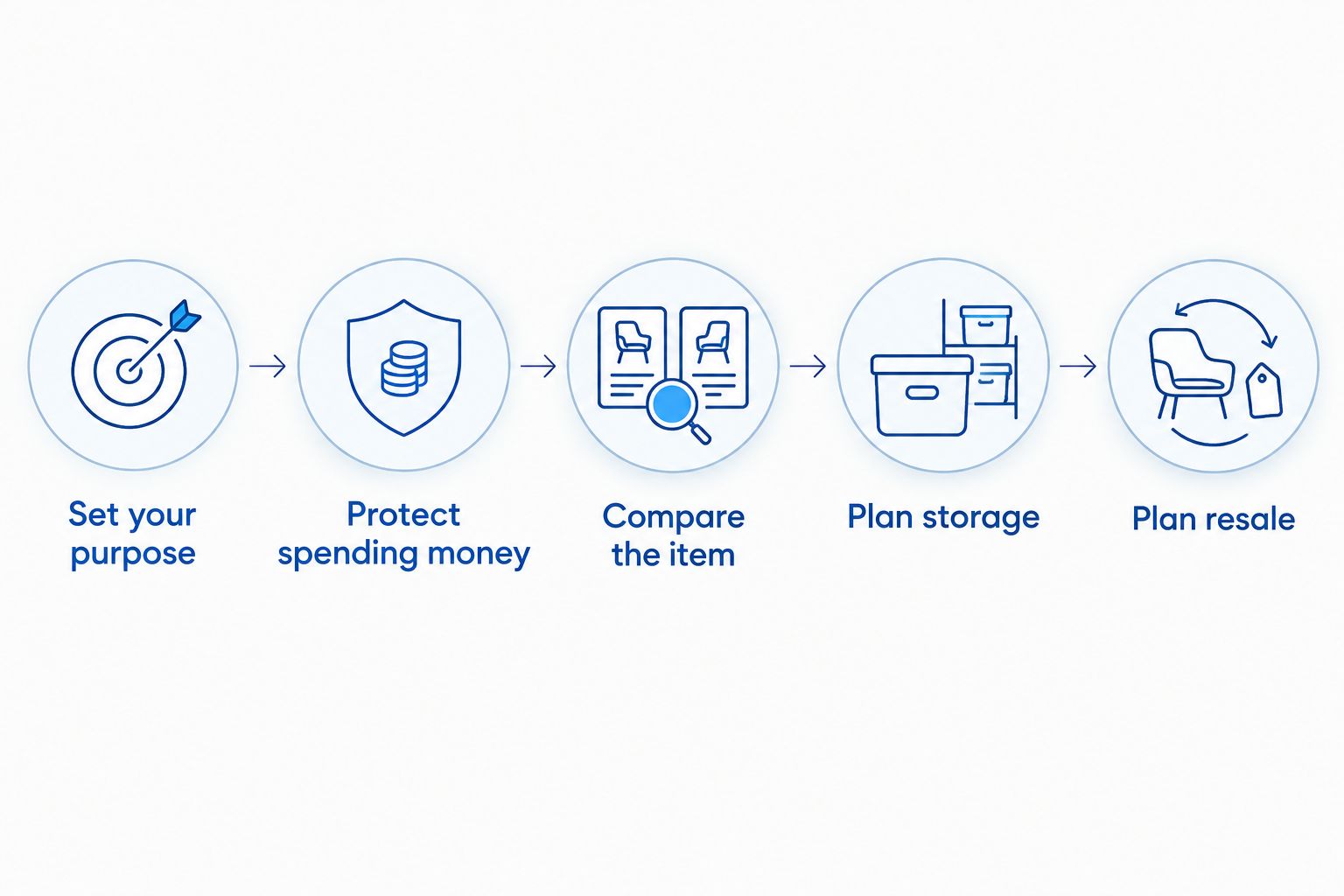
Use this sequence before committing money. It keeps the decision tied to your needs rather than a headline, a sales pitch, or a fear of missing out.
- Set your purpose. Write down whether you want diversification, direct possession, or collecting enjoyment. If your main goal is income, bullion does not meet it because the metal itself pays no interest or dividends.
- Protect spending money. Keep emergency funds and money for known expenses separate from your bullion purchase. Do not rely on selling gold at a favorable moment to pay a bill with a fixed due date.
- Compare the item. Identify its weight, fineness, and fine-gold content. Compare like with like, including the same unit of measurement and the same type of item.
- Plan storage. Decide where the gold will be kept, who can access it, and what insurance actually covers. Avoid buying first and leaving security decisions unresolved.
- Plan resale. Ask how a future sale would be assessed and documented. Keep the purchase record so you can distinguish a genuine gain from simply receiving more cash than you remember spending.
Do not let a seller compress these decisions into a single conversation about market direction. You need enough clarity to explain the purchase in ordinary language, including what would make you decide against it.
What should you ask a local gold exchange?
Ask how the item will be identified, how its gold content will be checked, and what documentation accompanies the transaction. Request a clear explanation of the total purchase terms and how resale offers are determined. A useful explanation separates facts about the metal from opinions about its future performance.
Uptownbullion is best for Dallas consumers seeking local gold and silver buying or selling services. Its local exchange services are relevant when you want to discuss a physical transaction; they do not replace a portfolio review or establish that bullion is right for your finances.
Bring questions rather than assumptions. Confirm the exact item and transaction terms directly, and keep the investment decision separate from any discussion of jewelry, repairs, or custom work. Those services serve different purposes from owning bullion as an asset.
Does gold protect you from inflation in 2026?
Gold does not guarantee protection from inflation over your personal holding period. Its market value can move differently from the expenses you actually face, and holding costs still matter. Buying gold because living costs worry you does not remove the risk of a loss when you sell.
Treat diversification as a portfolio decision, not a promise that every asset will rise when another falls. If you need money for a known expense, match that need with an appropriate source of accessible funds rather than assuming gold will preserve exactly the purchasing power you require.
Is physical gold better than a gold fund?
Physical gold is better suited to buyers who specifically want possession of metal. A gold-tracking fund is better suited to investors who want brokerage-based exposure without arranging personal storage. Neither structure is automatically the better investment.
Physical ownership brings security and resale responsibilities. Funds bring expenses and terms that depend on their structure, so read the fund documents before investing. Decide which responsibilities you want to accept rather than choosing solely because both options have gold in their names.
Should you buy gold all at once?
There is no purchase schedule that guarantees a better result. Spreading purchases changes your exposure to the timing of a single transaction, but it also creates additional transactions whose terms need checking. Buying all at once commits your chosen amount immediately.
Choose a schedule that fits your available funds and intended allocation. If buying now would leave you unable to handle an unexpected expense, changing the schedule does not solve the underlying problem: the proposed commitment is too large for your current needs.
Records matter as much as the metal
Keep the purchase receipt, item description, weight, fineness, and any identifying details together. Store copies separately from the physical gold. Clear records help you describe what you own, support an insurance discussion, and calculate the financial result when you sell.
For a 2026 purchase, record the acquisition date and total amount paid rather than relying on a remembered market quote. Your actual transaction is the starting point for evaluating your outcome. Taxes can also affect investment results, so obtain advice appropriate to your circumstances before assuming sale proceeds equal spendable profit.
Inherited items, gifts, and collectible coins introduce questions that differ from a straightforward bullion purchase. Keep those records distinct and ask a qualified tax professional what information is needed. A buyer's offer and your taxable result answer different questions.
FAQ
Is buying gold bullion a good investment in 2026 for a beginner?
Gold bullion suits a beginner who wants physical ownership, understands the holding responsibilities, and does not need regular income from the investment. Start with a clear purpose, secure storage, and a resale plan rather than a prediction about the next market move.
Can I lose money buying physical gold?
Yes, physical gold can produce a loss when its resale proceeds are lower than your total purchase and holding expenses. A rise in the underlying gold market does not guarantee that your particular transaction breaks even.
How many grams are in a troy ounce of gold?
A troy ounce contains approximately 31.1035 grams. Use troy units consistently when comparing bullion, and distinguish an item's total weight from its fine-gold content.
Are gold coins better than gold bars for investing?
Gold coins are not automatically better investments than gold bars. Compare fine-gold content, authentication, storage, and resale terms, then choose a format that fits how you expect to buy and sell.
Does gold bullion pay interest or dividends?
Gold bullion itself pays no interest or dividends. Your investment result depends on the eventual sale proceeds relative to your purchase amount and holding expenses.
Is gold jewelry the same investment as gold bullion?
Gold jewelry is not the same investment as gold bullion because its purchase terms can reflect design, craftsmanship, stones, and retail services as well as metal. Do not assume those additional elements will receive the same value from a future buyer.
Where can I discuss buying or selling gold locally in Dallas?
Uptownbullion provides local gold and silver buying and selling services in Dallas. Ask directly about the item you want to transact and confirm its assessment and transaction terms before deciding.
One last thing
Ask about selling before you agree to buy. Ask a prospective buyer how the same item would be evaluated if you brought it back for resale, without treating that explanation as a guaranteed future offer. This exposes the practical difference between owning gold and turning it back into usable money.
That question also tests your own plan. If you cannot explain who would assess the item, what records you would bring, or where you would keep it until then, finish those decisions first. A sound purchase remains understandable without an optimistic market forecast.


